
There is a particular kind of record label that operates not from a single genre, a single era, or a single mission, but from a singular philosophy: that great music in all its forms deserves a home, deserves curation, and deserves to reach the ears of the people who need it most. Sunset Special Markets — operating under the broader umbrella of its Sunset Classics & Jazz imprint — is exactly that kind of label. And the catalog it has quietly assembled, packaged under the artist credit of Various Artists, represents one of the most thoughtfully constructed collections of themed, archival, and contemporary music available anywhere in the digital marketplace today.
To the uninitiated listener browsing a streaming platform or digital storefront, the “Various Artists” designation can seem almost like a placeholder — a bureaucratic placeholder for albums that don’t quite fit the standard artist-album framework. But within the Sunset Special Markets ecosystem, that credit functions more like a curatorial signature. It is a declaration that what you are about to hear was assembled with intention, shaped by a theme, and released with purpose. The tracks come from different eras, different performers, different corners of musical culture — but they arrive together because something unites them, whether that is a historical moment, a cultural movement, a cinematic vision, or simply the desire to make people dance.
The breadth of what Sunset Special Markets has created under this framework is genuinely extraordinary. From big-band swing recordings that transported WWII troops through their darkest nights, to underground club music excavated by scene legends, to original motion picture soundtracks for documentary films that challenged American social policy, to live stand-up comedy recorded in one of the country’s most storied comedy venues — the catalog defies easy summary. What follows is the most comprehensive examination of this body of work yet published, exploring each major series and release category in depth, and making the case for why this label’s approach to compilation and curation stands apart from anything else in the current digital music landscape.
The Art of the Compilation: Why “Various Artists” Is a Creative Statement, Not a Cop-Out
Before diving into the individual titles, it is worth spending a moment with the creative logic that underlies the entire Sunset Special Markets model. The “Various Artists” credit has been misunderstood and undervalued for decades. Critics and algorithms alike tend to treat it as a signal of diminished artistic coherence — a collection of songs that didn’t have anywhere better to go. Nothing could be further from the truth when it comes to a label that approaches compilation as its primary creative act.
The most important compilations in music history have been precisely that: history. Motown collections, Atlantic soul anthologies, the early K-Tel and Ronco packages that first brought radio hits into living rooms, the reggae and dub compilations that carried Jamaican music to global audiences, the house and techno collections that documented the birth of electronic dance culture — all of them were “Various Artists” releases. All of them are now recognized as cultural documents of enormous value. The curation was the art. The sequencing was the composition. The theme was the argument.
Sunset Special Markets understands this principle deeply. Every release in their catalog begins with a question: what story does this music tell, and who needs to hear it? The answer to that question shapes everything — the track selection, the running order, the packaging, the title, the platform strategy. A label that can ask and answer that question well, across dozens of wildly different projects, is doing something that deserves serious attention and serious credit.
The full catalog — currently available at variousartiststitles.bandcamp.com and distributed across major streaming platforms — now encompasses more than thirty distinct titles, organized across four major creative categories. Each category represents a different curatorial philosophy, a different relationship with musical history, and a different intended audience. Together, they form one of the most ambitious and diverse release programs in independent digital music.
Songs That Won the War: A Multi-Volume Monument to American Musical Memory


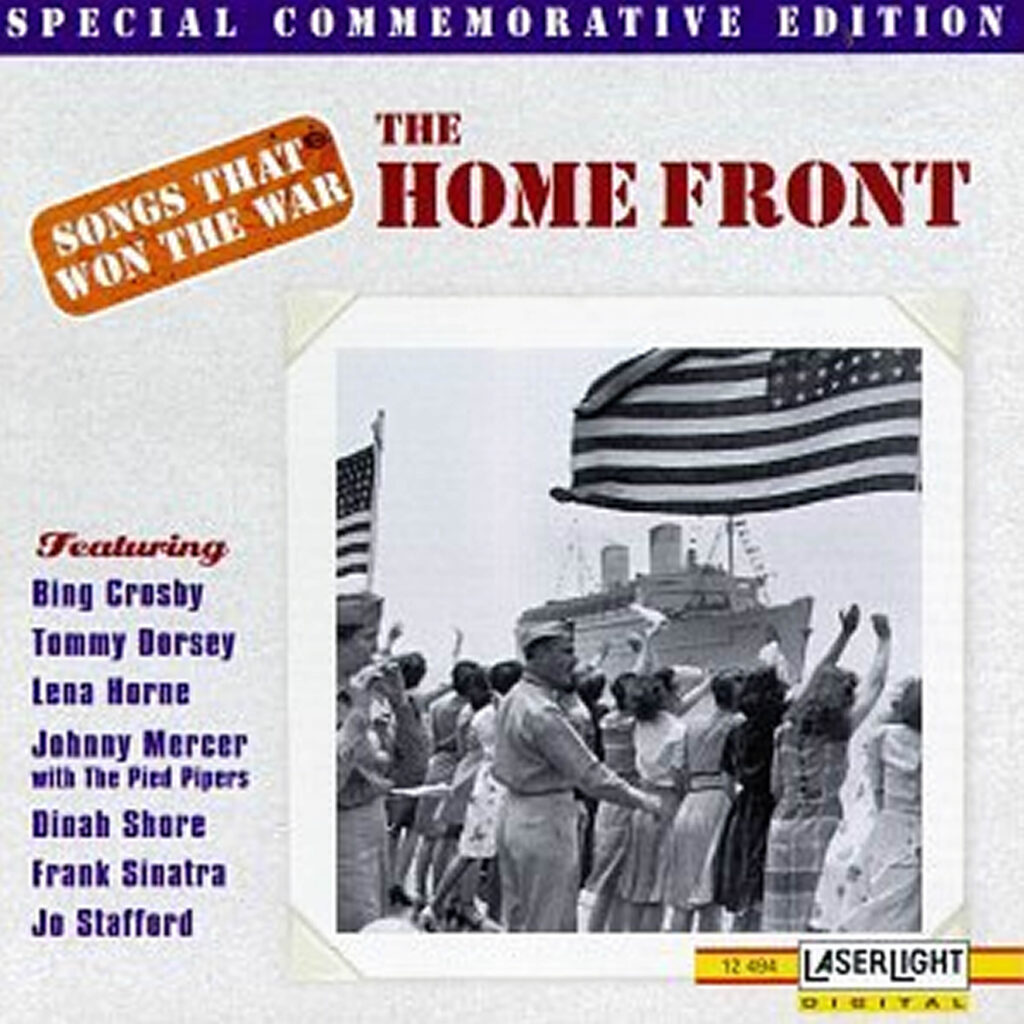
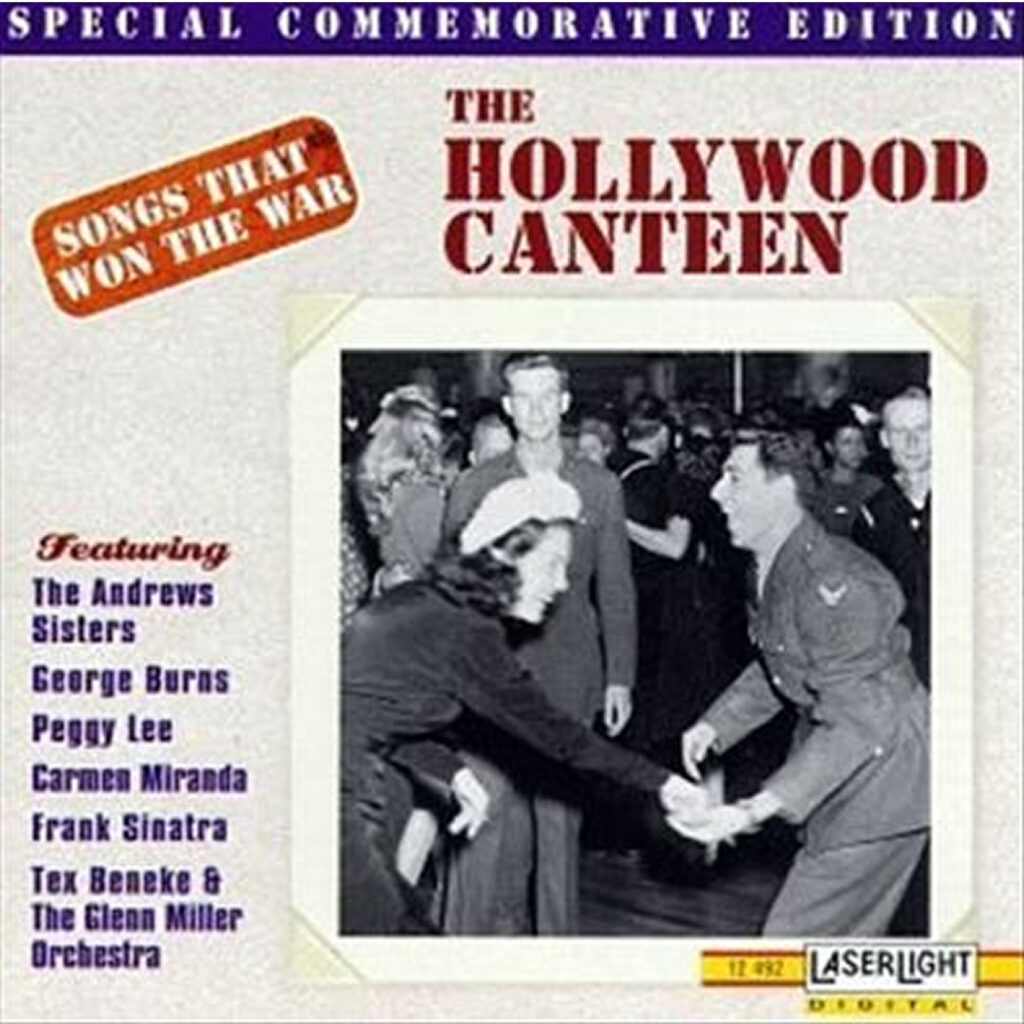
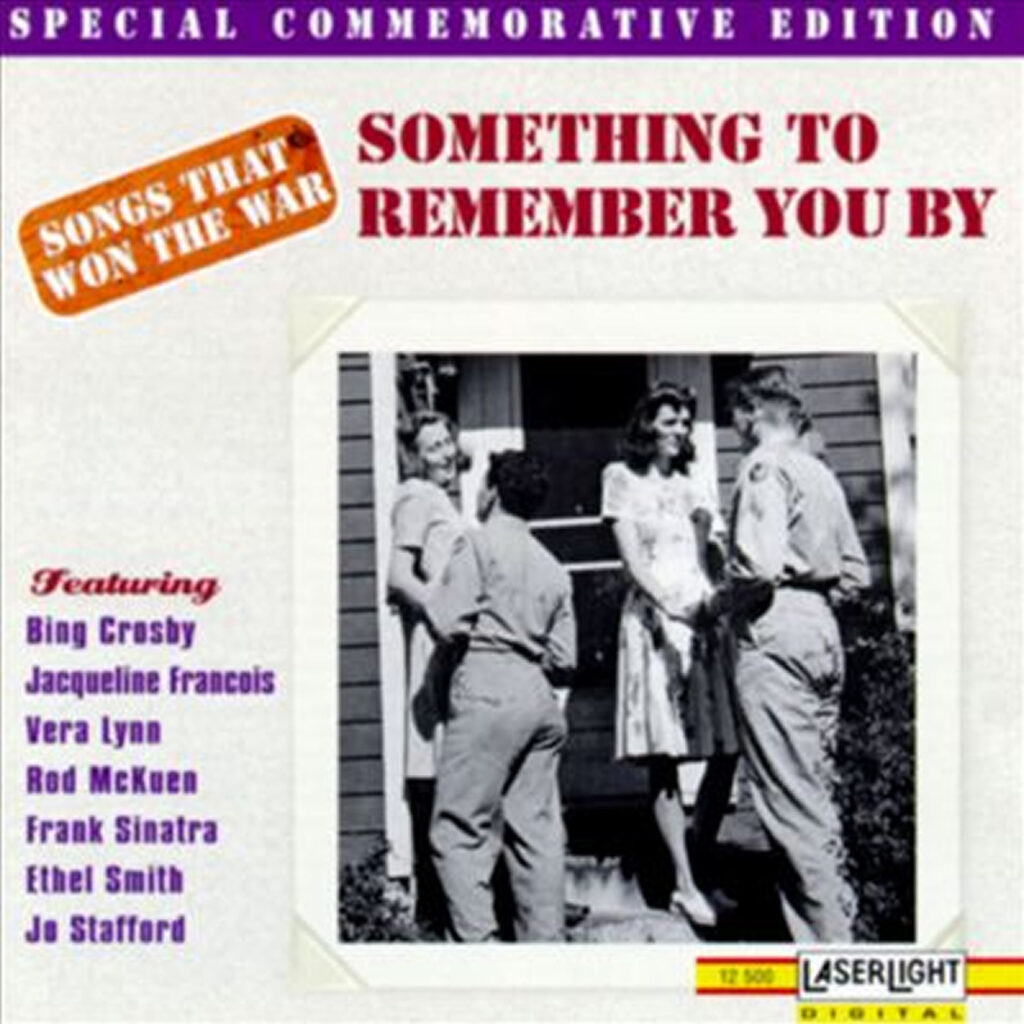
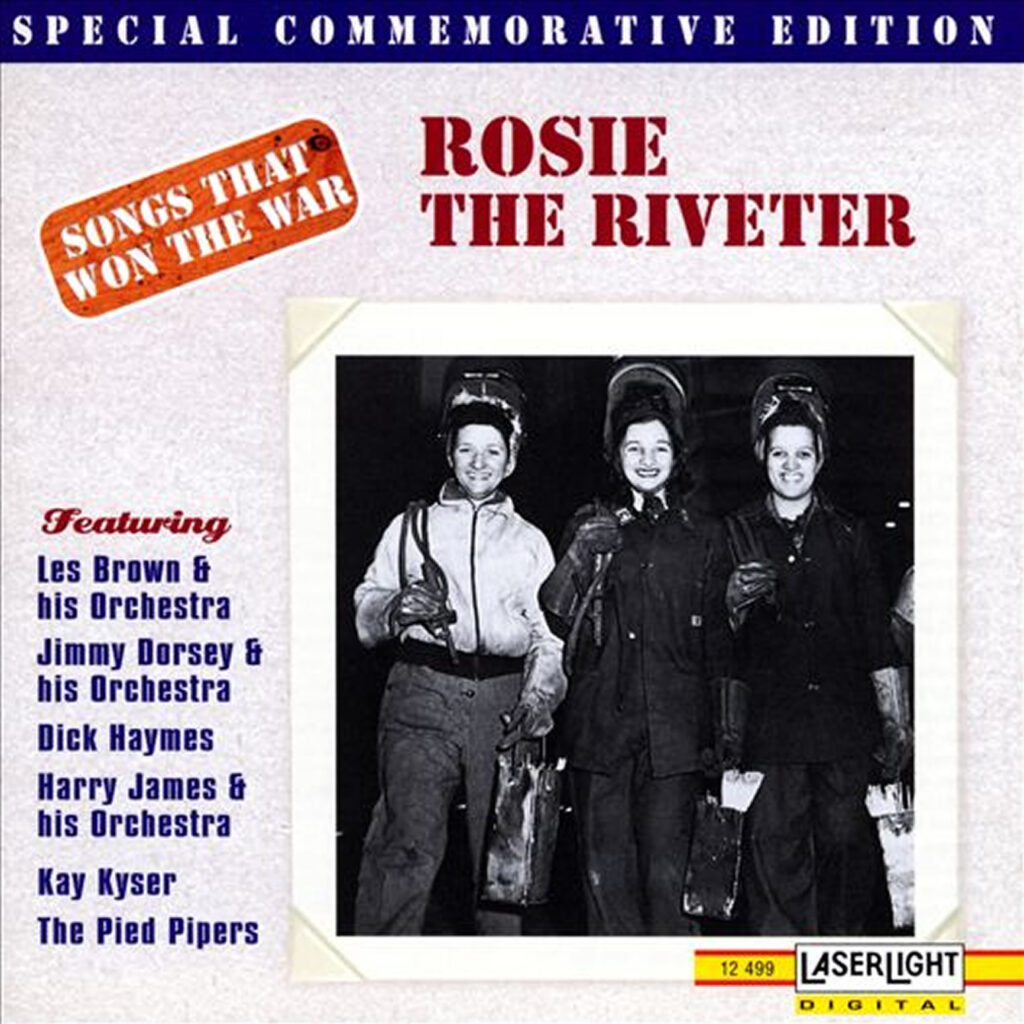
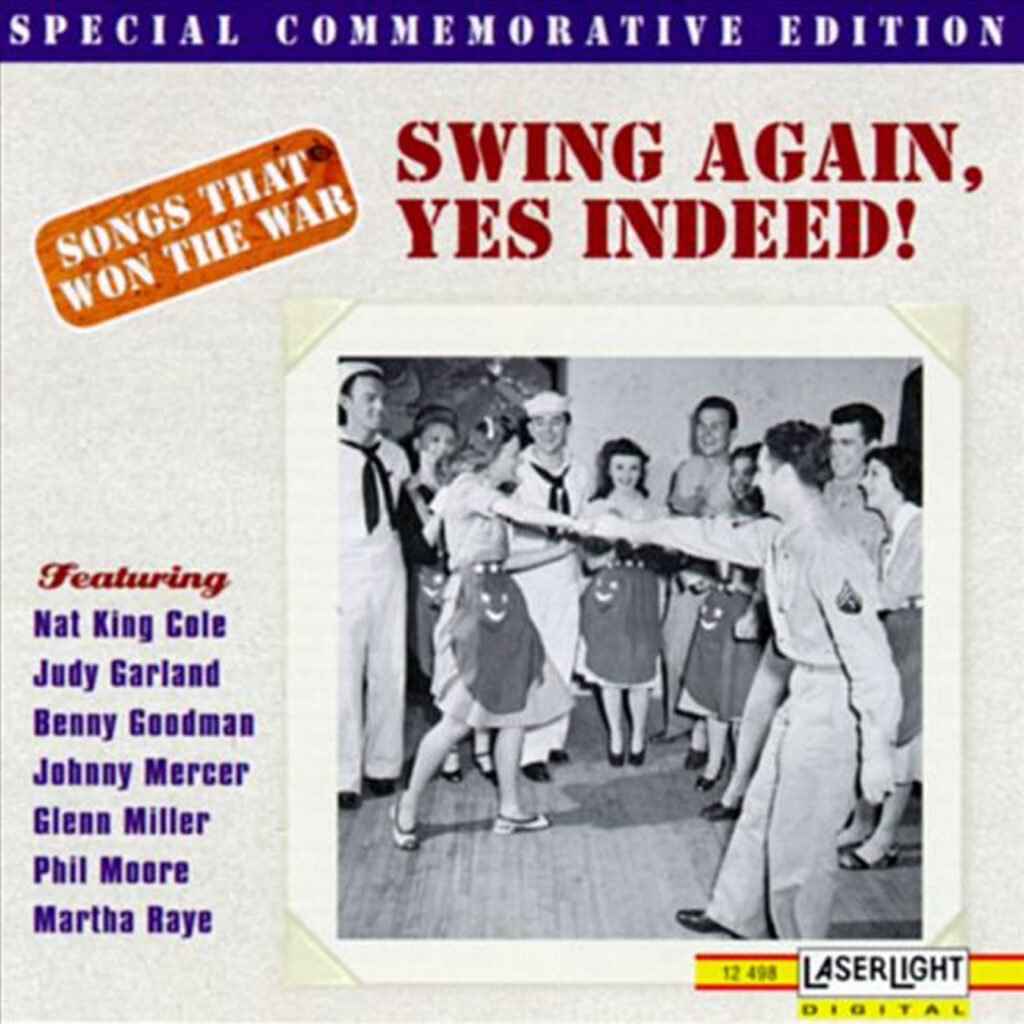


The crown jewel of the Sunset Special Markets catalog — and the project that most clearly demonstrates the label’s ambition as a historical and cultural institution — is the “Songs That Won the War” series. This ongoing multi-volume collection is the most comprehensive treatment of American wartime music available in the digital era, and it deserves to be recognized as such.
The premise is straightforward but the execution is rich and nuanced. The Second World War produced an outpouring of American music unlike anything before or since. In a moment of existential national crisis, popular music became simultaneously a morale tool, a propaganda instrument, a comfort mechanism, a community ritual, and an art form of the highest order. The swing bands that had already made the late 1930s dance-mad now found themselves performing a genuinely civic function. Singers who had been pop entertainers became emotional lifelines for soldiers overseas and the families they left behind. The songs that emerged from this period — and the performances captured on record — represent a chapter of American cultural history that cannot be replicated and must not be forgotten.
Each volume in the “Songs That Won the War” series approaches this material from a different angle, creating what amounts to a thematic documentary told entirely through music. The genius of the series structure is that no single album tries to be everything. Instead, each title identifies a specific emotional or cultural thread and pulls it through to completion.
G.I. Jive is where the series opens its throttle widest. Named after the irresistible Louis Jordan hit that became synonymous with the spirit of the enlisted man, this volume captures the high-energy, propulsive side of wartime big-band music — the music that filled the dance halls, the USO stages, and the mess halls, music that made men feel, however briefly, like they were not at war. The shuffling rhythms, the brassy ensemble passages, the playful call-and-response between horn sections and vocalists — this is American popular music at its most buoyant and resilient, and hearing it now carries the weight of knowing what the people who danced to it were living through.
Swing and Swing Again, Yes Indeed extend this energy across additional volumes, each one a curated slice of the golden age of American dance music. These titles are not simply greatest-hits packages. They are arguments about what swing meant — not just as entertainment, but as a social force, a democratic art form that brought black and white musical influences together on a popular stage at a moment when American society remained profoundly segregated.
The series then pivots in emotional register with Rosie the Riveter / The Home Front, a volume that shifts focus from the theaters of war to the home front that sustained them. The title invokes one of the most enduring cultural symbols of the era — the image of women taking on industrial labor en masse for the first time, bending steel and building bombers while their husbands and brothers fought overseas. The music here reflects the domestic experience of the war years: the songs of longing, the songs of pride, the songs that acknowledged sacrifice without romanticizing it. This is music that honors a generation of women whose contribution to the war effort was indispensable but long underacknowledged.
Two volumes — A Salute to the Stagedoor Canteen and Hollywood Canteen — explore one of the war era’s most remarkable cultural institutions: the canteens where Hollywood celebrities and Broadway performers came to serve, dance with, and entertain servicemen. The Stagedoor Canteen in New York and the Hollywood Canteen in Los Angeles were extraordinary places — genuine crossroads where the glamour of show business intersected with the grim reality of soldiers shipping out, possibly never to return. The music associated with these spaces carries that emotional charge. It is music that understood its own role: to give young men something beautiful to hold onto.
The most intimate volumes in the series are reserved for the music of separation and longing. A Wing and a Prayer, Something to Remember You By, and I’ll Be Seeing You form an emotional triptych that represents some of the most moving popular music ever recorded in America. These are the songs that wives listened to alone after their husbands shipped out. These are the melodies that soldiers heard in their minds when they were far from everything they loved. The titles themselves — drawn from songs that became wartime anthems — are enough to suggest the emotional gravity of the material. Hearing these recordings today is an act of historical communion.
The “Songs That Won the War” series as a whole is an achievement that should be recognized far beyond the niche of nostalgia music enthusiasts. It is an act of serious cultural preservation, executed with curatorial intelligence and genuine emotional depth. In an era when physical record collections are disappearing and cultural memory is increasingly mediated through algorithmic recommendation, projects like this one — which make deliberate, thematic arguments about musical history — are more valuable than ever.
Closet Classics and the Underground Archive: When Legends Curate
If the wartime series represents Sunset Special Markets at its most historically reverent, then Closet Classics represents the label at its most culturally adventurous. This archival club series does something that only a label with genuine roots in dance music culture could do: it reaches into the pre-commercial, pre-mainstream moment of club culture and pulls out recordings that shaped everything that came after, presented through the curatorial vision of people who were actually there.

The curatorial hand of Boy George over this series is not merely a celebrity endorsement — it is a credential. George O’Dowd emerged from the same London underground club scene that produced the earliest flowering of what we now call dance music, queer club culture, and the aesthetic movement that swept from British nightclubs to global pop consciousness in the early 1980s. His taste was formed in the basements and back rooms where music was played for people who genuinely had nowhere else to go, in the years before that music was commercially viable or widely understood. What he knows about club music is not what was played on radio. It is what was played in the dark, to the people who needed it most.
Closet Classics packages that knowledge — that history, that specificity of taste — into a listening experience that functions simultaneously as a dance record and as a historical document. The music here did not just influence later club culture; in many cases, it defined it. These are the records that DJs carried in their cases like sacred objects, that spread through networks of tape dubs and word-of-mouth, that built communities of listeners before community platforms existed.
For contemporary listeners, particularly younger ones who have encountered club music only in its current digital form, Closet Classics offers something rare and genuinely educational: the sound of where it all came from. And for those who were there, it offers something equally rare — confirmation that the music they loved, that may have seemed too underground to survive, has been preserved, honored, and shared with new ears.
Do Not Adjust Your Set: The Sonic Provocation
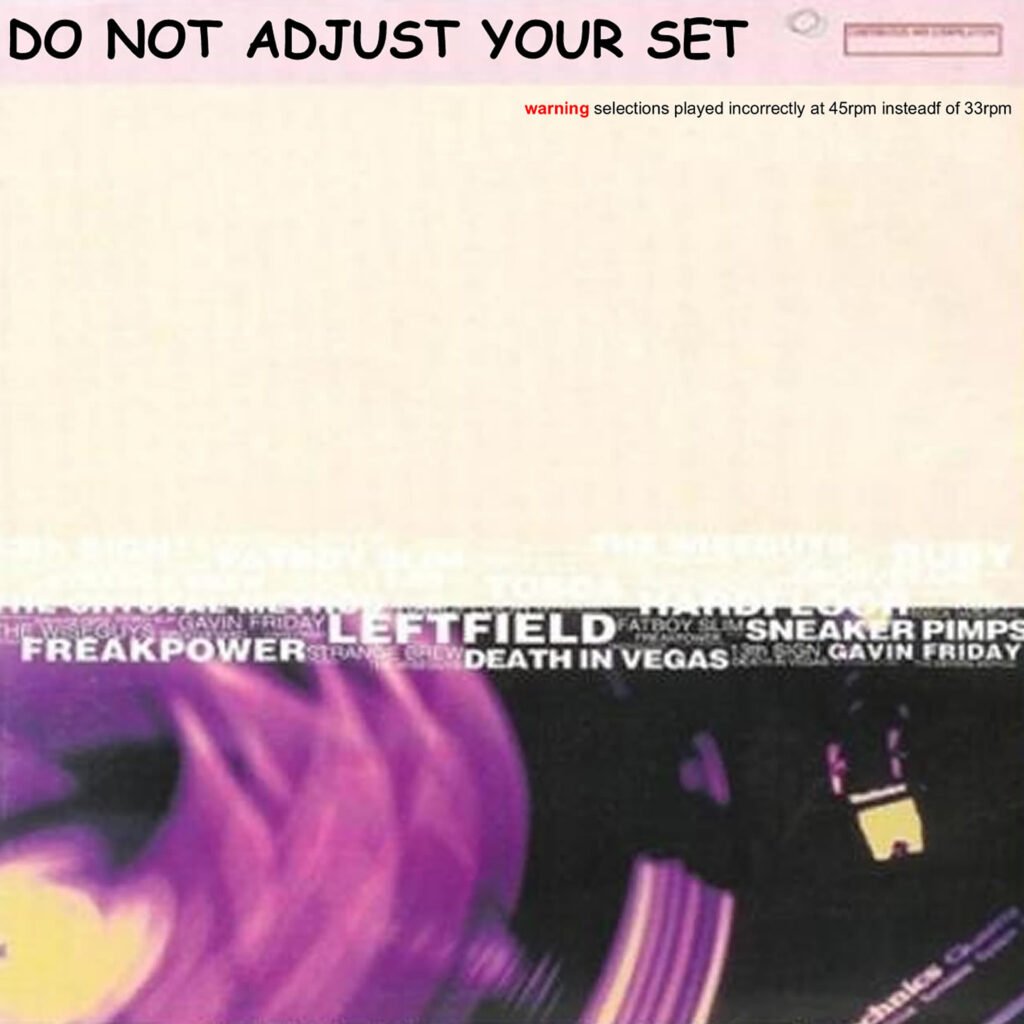
Among the label’s releases, Do Not Adjust Your Set occupies a particularly intriguing position. The title — borrowed from the British television tradition of test-card broadcasts and deadpan announcements — signals immediately that this is a project operating at an oblique angle to the rest of the catalog. It is music that dares its listener to sit still with it, to let go of expectations about what a compilation should be or do, and to experience something that resists easy categorization.
This kind of project is only possible for a label that has already established its credibility across other genres and formats. Sunset Special Markets has earned the trust of its audience through the consistency and quality of its curations elsewhere in the catalog, and Do Not Adjust Your Set represents the label exercising the kind of curatorial freedom that that trust enables. It is the release for the listener who has heard everything else and wants to be challenged.
Original Motion Picture Soundtracks: Music in Service of Documentary Truth
Among the most culturally significant releases in the Sunset Special Markets catalog are its original motion picture soundtracks, three of which stand out for their engagement with urgent American social questions.
How Weed Won the West and American Drug War: The Last White Hope are soundtrack releases for documentary films that engaged directly and unflinchingly with American drug policy — its failures, its contradictions, its racial dimensions, and its human costs. The music assembled for these films had to do something that documentary music always must do: create emotional space for difficult material, give viewers something to feel when the images and testimony themselves are almost too much to process. These soundtracks accomplish that with a combination of ambient textures, licensed tracks, and thematic scoring that underscores the moral seriousness of the films’ arguments while keeping the listening experience genuinely compelling.






That these soundtracks are available as standalone listening experiences is itself a statement. You do not need to have seen the films to engage with this music. But the music carries the weight of its context — the awareness that it was composed and assembled to accompany stories about real people living through the consequences of real policy decisions. That weight is audible.
My Fellow Americans, the third soundtrack in this grouping, takes its title from the most solemn phrase in the American political vocabulary — the opening words through which presidents have traditionally addressed the nation in moments of gravity. The music assembled under this title operates with the same sense of occasion, building an audio environment appropriate to the political weight of its source material.
Together, these three soundtracks represent something genuinely unusual in the independent label space: a commitment to music that serves not just entertainment but civic engagement, that takes seriously the idea that the right soundtrack can make an audience more willing to sit with uncomfortable truths.
Dreamgirls Remixed: Where Stage, Screen, and Dancefloor Converge
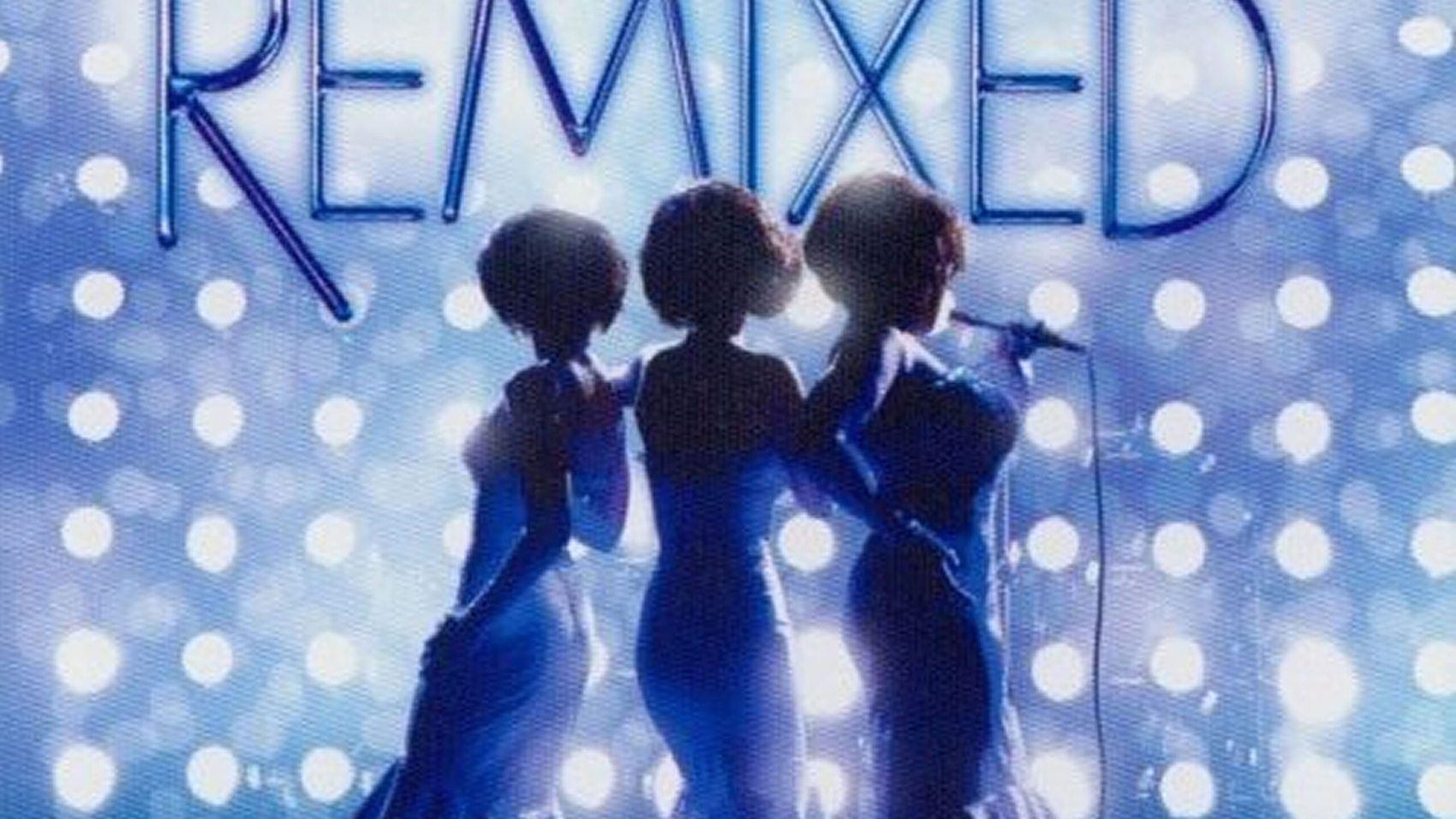
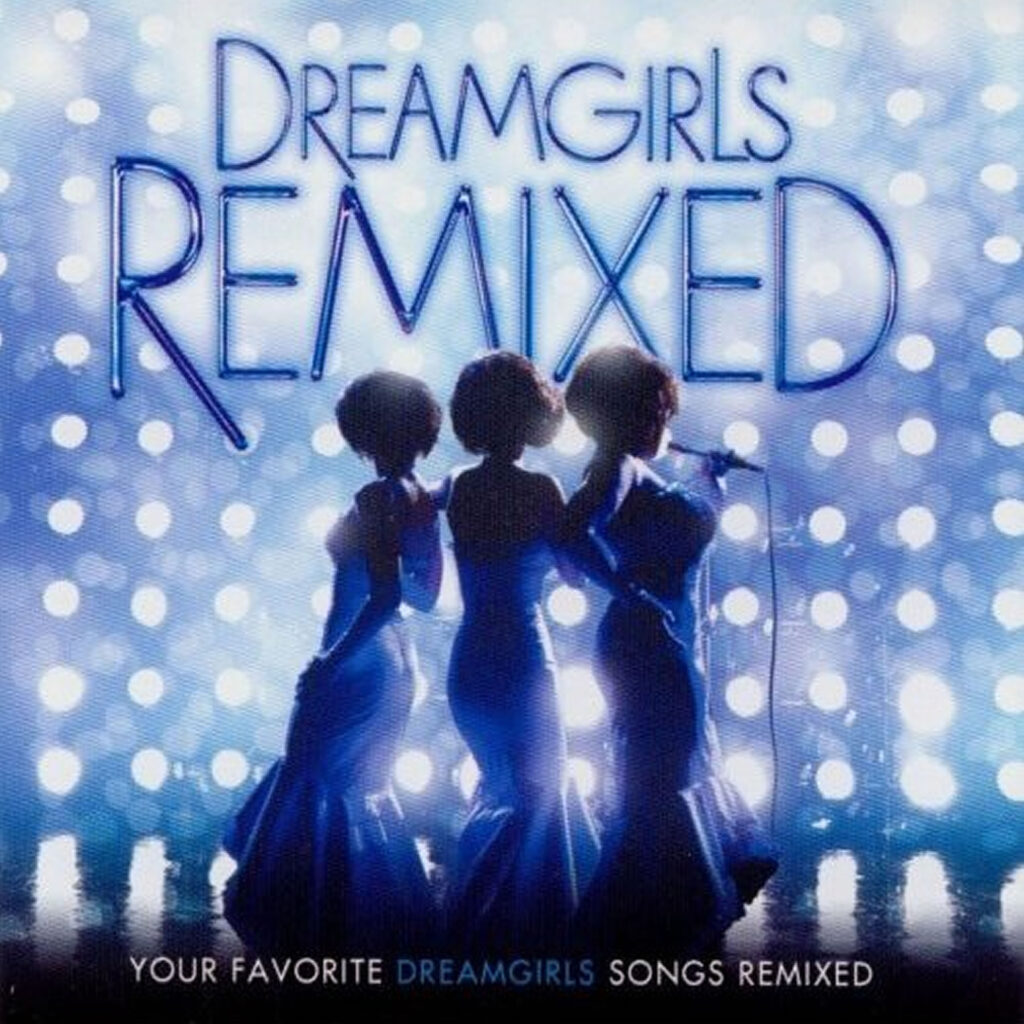
Among the most creatively ambitious projects in the Sunset Special Markets library is Dreamgirls Remixed, a tribute compilation that brings together the vocal traditions of Broadway, Hollywood, R&B, and soul and places them in conversation with the production sensibilities of contemporary electronic dance music. This is a project that requires not just curatorial skill but genuine musicological sensitivity — an understanding of what makes the source material great, and what a modern production context can add without diminishing it.
The Dreamgirls story — and the music it contains, in its original stage and film incarnations — is one of the great narratives in American entertainment, a story about Black women in the music industry that carries within it decades of history, beauty, ambition, exploitation, survival, and triumph. The decision to remix that material is not taken lightly in this collection. The electronic treatments applied here are chosen to illuminate rather than obscure, to bring the emotional core of the original performances forward into a new sonic environment rather than to replace it with something fundamentally different.
The result is a listening experience that works simultaneously as tribute, as dancefloor programming, and as a meditation on what happens when great music crosses the boundaries between generations of production technology.
Songs for Freedom: Music as Advocacy
Songs for Freedom: An Album for Animal and Wildlife Welfare is among the most ethically distinctive releases in the Sunset Special Markets catalog, and it represents a dimension of the label’s identity that separates it from purely commercial operations. The project uses the compilation format as a vehicle for advocacy, assembling music in service of a cause — specifically, the welfare of animals and wildlife — that transcends the conventional boundaries of music marketing.

Cause-based compilation albums have a long history in popular music, stretching from the early benefit records of the folk revival through the charity supergroups of the 1980s. But those projects tend to be one-off events, assembled around a specific crisis or moment. Songs for Freedom positions itself differently — as a sustained statement of values from a label that chose to use its platform for something beyond commercial output. The music here is selected not just for quality but for alignment with the emotional and ethical register of animal advocacy: compassion, attention to the natural world, a sense of responsibility toward creatures who cannot speak for themselves.
This is the kind of release that builds genuine loyalty among listeners who share those values, and it demonstrates that Sunset Special Markets understands something important about the relationship between music and meaning — that the context in which music is released shapes the way it is heard.
Ranger Road and Light It Up: The Country and Roots Dimension
Two titles in the catalog — Ranger Road and Light It Up! — represent the label’s engagement with the country and Americana traditions, and they extend the reach of the Various Artists framework into territory that complements the swing and jazz historicism of the wartime series.

Ranger Road situates itself in the landscape tradition of American country and folk music — music oriented around place, travel, and the particular kind of freedom that open roads have always represented in American imagination. This is music that sounds like distance, that carries the feeling of going somewhere or coming from somewhere, that speaks to a rootedness even in motion.
Light It Up! operates with more contemporary energy, bringing the upbeat, celebratory dimension of modern country and roots music into a package designed for the listener who wants to feel the warmth and lift of a well-executed feel-good record. Together, these two titles confirm that the label’s curatorial instincts are not limited to the coasts or to any single regional musical tradition.
The Party Series: Professional DJ Craft in Album Form
A substantial portion of the Sunset Special Markets catalog is devoted to what might be called utility music in the best sense of the term — records assembled specifically to serve a function, and assembled with enough craft and care that the function is served brilliantly. The label’s party and genre package series represents this category at its finest.










The Sunset Party (Be There) is the series anchor, a title that does exactly what it says: it creates the atmosphere of a party worth attending, through careful sequencing of tracks that build energy progressively and hold it over the course of a listening session. This is music that knows how a night works — how it starts cautiously, finds its momentum, peaks, and coasts — and it respects that arc in the way it is assembled.
Rockin’ Party (23:00 HRS) specifies its moment precisely: this is the music for eleven o’clock at night, when the early arrivals have settled in, the dance floor has found its rhythm, and the real energy of the evening is just beginning to build. The specificity of the time stamp in the title is not just marketing cleverness — it is a genuine curatorial statement about what kind of music belongs at this moment in a night, and what that music should accomplish.
Remix Party (Let Me Fix Your Music) takes the premise in a different direction, positioning itself as an intervention in existing musical material — a collection that takes songs the listener may already know and presents them in reimagined form, demonstrating how the remix tradition can reveal new dimensions in familiar material. This is music for the listener who loves the original but wants to hear what happens when a skilled producer gets their hands on it.
Lounge Party and Cool Party represent the downbeat, atmospheric side of the party series — music for the earlier hours of an evening, or the spaces in any night when the energy needs to breathe and the conversation needs room. These titles demonstrate a sophisticated understanding of the full arc of a social event, not just its peak moments.
The genre-specific packages extend the series further. HipHop Party (Old School) is a curatorial statement about where hip-hop came from, assembling the foundational tracks and styles of a genre that transformed American popular music entirely. Tropical Party brings the warmth and rhythmic complexity of Caribbean and Latin traditions to a dancefloor context. World Party (Release the Freak Within) extends the global scope further, pulling from musical traditions around the world into a single, unified dance experience.
Pop Party rounds out the series with a celebration of popular music in its most accessible and instantly gratifying form — an acknowledgment that accessibility is not a limitation but an achievement, that the ability to reach a wide audience with music that genuinely moves them is a skill worth honoring.
And then there is Non Stop Christmas Dance Party, which applies the full energy and craft of the party series to holiday music, demonstrating that the Christmas canon — songs by composers including Franz Gruber and Joseph Mohr, by lyricists including William Chatterton Dix and John Mason Neale, by Robert Burns and James Pierpont — contains within it everything needed to build a genuinely propulsive dance record. The choice to credit these historical composers directly rather than hiding them behind a generic “Various Artists” label is itself a statement of respect for musical history, a reminder that even holiday songs that feel like they have always existed were written by specific people with specific artistic intentions.
Energy of Love: Electronic Music as Emotional Architecture
Energy of Love occupies its own distinctive space in the catalog — a title that positions electronic music not primarily as dancefloor fuel but as emotional infrastructure. This is music that builds feeling in the listener, that uses the texture and dynamics of electronic production to create something more contemplative than celebratory. The title itself is a thesis: that the energy generated by music in its most atmospheric and romantic modes is a form of love, a transfer of feeling between the people who made it and the people who hear it.
This kind of release requires a label willing to let a record be quiet in places, to resist the temptation to maximize energy at every moment, to trust that listeners will follow the music into its more interior spaces. Sunset Special Markets demonstrates that trust here, and the result is one of the catalog’s most distinctive listening experiences.
Laff House Live Comedy Album: The Sound of a Philadelphia Institution
Stepping outside the music entirely — though remaining firmly within the spirit of the Various Artists format — the Laff House Live Comedy Album represents one of the most culturally specific releases in the Sunset Special Markets catalog. The Laff House in Philadelphia is one of the great comedy venues in American stand-up history, a room that has hosted and helped develop some of the most significant comedic voices of the past several decades.

The decision to capture live performances from this venue in album form, and to release that album through the same label network that handles wartime swing and underground club music, is itself a statement about what Sunset Special Markets believes audio documentation can accomplish. Comedy, like music, is an art form that transforms in the recording — something is gained and something is lost when a live performance becomes a fixed artifact. But what is gained, in this case, is the ability for the experience of a great comedy night at the Laff House to reach ears that were never in that room.
The performances captured here include sets from comedians including Kevin Hart, in what for many listeners will function as historical documentation — a recording made before Hart’s career reached the stratospheric heights it would later achieve. Also featured are Big Jay and Turae Gordon, both of whom represent the kind of working comedian whose craft and timing are best understood in the live context that this album preserves. Hearing these performances now, in the context of a label catalog otherwise dominated by music, is a reminder that the compilation format is ultimately about documenting human performance in all its forms — and that laughter, like music, is worth preserving with care.
The Classical Composite: Honoring the Original Creators
One of the most intellectually interesting choices Sunset Special Markets has made in its catalog is the treatment of its holiday and classical material. Rather than listing the modern performers and producers of familiar seasonal music under the standard “Various Artists” or studio alias credits, the label chose to acknowledge the actual historical composers and poets whose work makes up this repertoire.

The credit line — Robert Burns, William Chatterton Dix, Franz Gruber, Joseph Mohr, John Mason Neale, and James Pierpont — is, on its face, unusual. These are not the names of contemporary recording artists. They are the names of the people who, in some cases centuries ago, wrote the words and melodies that billions of people now recognize as holiday music. Franz Gruber and Joseph Mohr composed “Silent Night” in a small Austrian church in 1818. Robert Burns gave us “Auld Lang Syne.” James Pierpont wrote “Jingle Bells.” These people deserve the credit, and Sunset Special Markets gives it to them.
This is the kind of detail that separates a label with genuine historical consciousness from one that treats catalog development as purely commercial exercise.
The Non Stop Christmas Dance Party release, with its full classical composer credit, is evidence that Sunset Special Markets takes seriously the chain of creative inheritance that connects every modern recording to the human beings who originally gave it life.
The Digital Strategy: Why Bandcamp and Streaming Together Is the Right Model
The distribution strategy employed by Sunset Special Markets is worth examining in its own right, because it reflects a sophisticated understanding of how music is discovered and consumed in the current digital environment. The decision to maintain a comprehensive Bandcamp presence at variousartiststitles.bandcamp.com, while simultaneously distributing through major streaming platforms, positions the label at the intersection of two very different listener relationships.
Bandcamp has emerged as the platform of choice for listeners who want to engage with independent music in a more intentional way — listeners who want to browse a complete catalog, understand a label’s identity, and purchase music as an act of direct support for the artists and curators who made it. The Bandcamp listener tends to be more engaged, more patient, and more willing to spend time with a catalog as a whole rather than cherry-picking individual tracks. For a label whose releases are designed to be experienced as complete thematic statements rather than hit singles, this is exactly the right audience.
Streaming platforms, by contrast, offer reach — the ability to be discovered by listeners who are browsing by mood or genre rather than by label identity. The challenge with streaming for a catalog like Sunset Special Markets is that the algorithm tends to prioritize individual tracks over albums and label catalogs. But the very specificity of the label’s titles — the thematic precision of “Songs That Won the War: G.I. Jive” or “Rockin’ Party (23:00 HRS)” — works in its favor on streaming platforms, because these are titles that surface naturally in contextual searches. Someone looking for wartime swing music finds the “Songs That Won the War” series. Someone looking for old school hip-hop finds “HipHop Party (Old School).” The themes do the discovery work.
Why This Catalog Matters Now
There is a broader cultural argument to be made for why a catalog like the one assembled by Sunset Special Markets matters at this particular moment in music history.
We are living through a period of unprecedented access to recorded music and unprecedented difficulty in navigating that access meaningfully. Every major streaming platform offers tens of millions of tracks. The algorithmic systems that are supposed to help listeners navigate this abundance tend instead to create personalization loops — feeding back to each listener more of what they already know, rather than introducing them to what they might love if only they encountered it. Discovery in the age of streaming has become paradoxically harder than it was when the record store wall was the limit of what was available.
What the compilation curator offers, in this environment, is a human intelligence applied to the problem of selection and arrangement. Not an algorithm optimizing for engagement metrics, but a person — or a team of people — asking what music belongs together, what context enriches a listening experience, what historical or emotional thread runs through a collection of recordings from different times and places. That curatorial intelligence is genuinely scarce, even as recorded music itself has become abundant beyond measure.
Sunset Special Markets has been building exactly this kind of curatorial intelligence into its catalog for years. The thirty-one titles currently available represent thousands of individual decisions about what music belongs where, what themes are worth exploring, what historical moments deserve documentation, what emotional experiences deserve to be constructed in audio form. Each of those decisions reflects a coherent set of values: historical consciousness, genre pluralism, respect for the full range of human musical experience, and a commitment to presenting that experience in the most compelling possible form.
That is not nothing. That is, in fact, exactly what the music industry needs more of — and exactly what independent labels like Sunset Special Markets are uniquely positioned to provide.
Exploring the Full Catalog
Every title discussed in this article is available now through the label’s complete digital presence. The full Sunset Special Markets and Sunset Classics & Jazz catalog can be explored and purchased at variousartiststitles.bandcamp.com, where all thirty-one current releases are available for streaming preview and digital purchase. Titles are also distributed through major streaming platforms for listeners who prefer those environments.
Whether your entry point is the wartime swing of Songs That Won the War: G.I. Jive, the underground archive of Closet Classics, the documentary power of How Weed Won the West, the emotional depth of Songs That Won the War: I’ll Be Seeing You, the dancefloor energy of Rockin’ Party (23:00 HRS), or the comedy history of the Laff House Live Comedy Album — the catalog rewards exploration.
This is what a serious independent label sounds like when it commits fully to its vision. Sunset Special Markets has built something worth discovering. The only question is where you start.