
Long before shock rock became an institutionalized marketing phrase, before theatrical hard rock transformed into a billion-dollar touring industry, and before generations of metal, punk, glam, and alternative acts borrowed heavily from the blueprint, Alice Cooper and the original Alice Cooper band were creating something far more dangerous, unpredictable, and culturally disruptive than most audiences had ever experienced. This week, Sunset Special Markets (SSM) places a spotlight on one of the most fascinating archival live recordings connected to that early era with the featured release of Alice Cooper Live, a performance collection that captures the group before the full machinery of international superstardom reshaped the sound, presentation, and scale of the act forever.
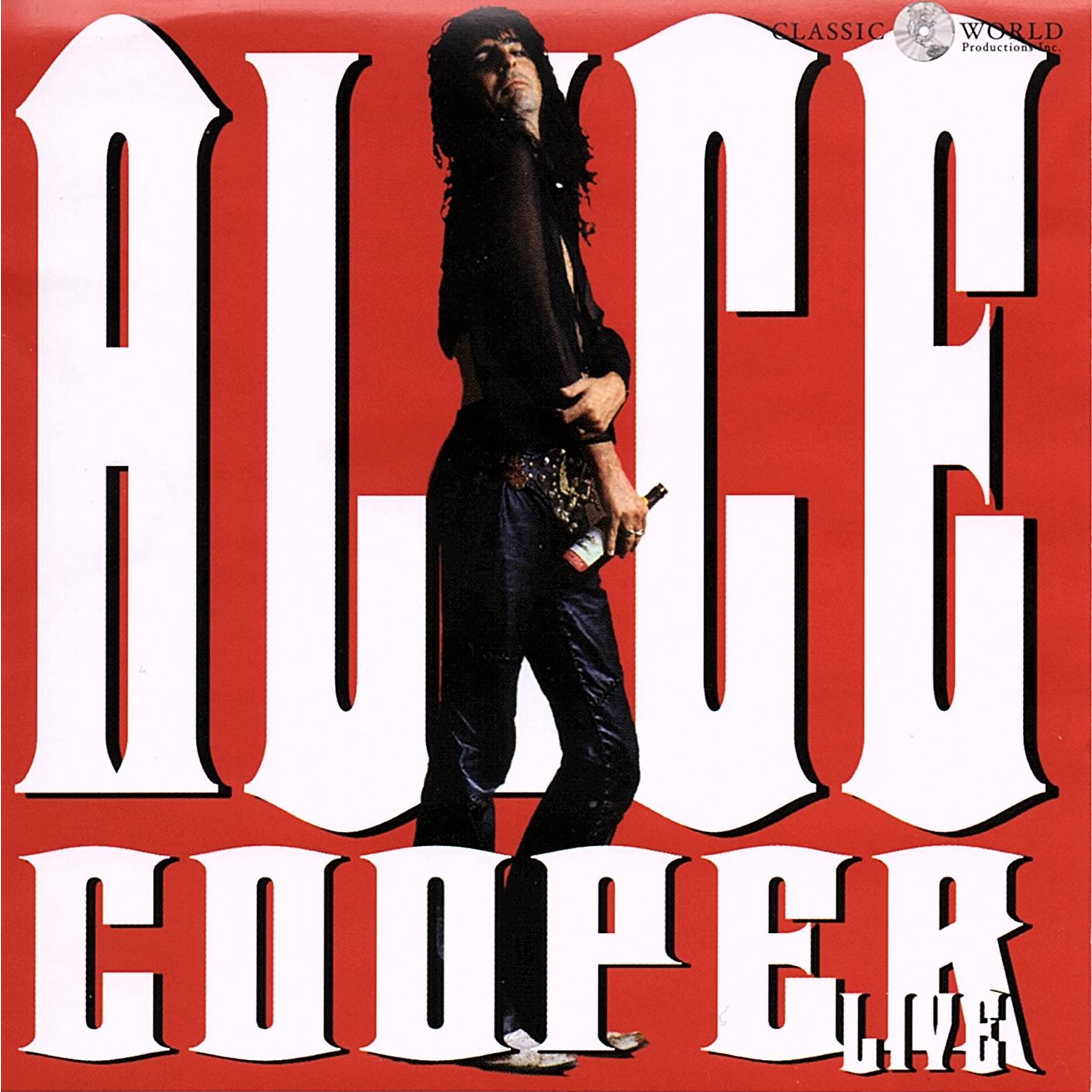
What makes this release so compelling is not simply the music itself, but the atmosphere surrounding it. These recordings document a transitional period where the original Alice Cooper band still operated with the volatility and raw edge of a hungry underground act. The polish had not yet overtaken the chaos. The arrangements still carried garage-rock grime, psychedelic unpredictability, proto-punk aggression, and experimental theatricality all colliding in real time. The result is a live document that feels alive in the truest sense of the word — imperfect, explosive, confrontational, strange, and historically important.
For listeners familiar only with the later radio dominance of tracks like “School’s Out,” “No More Mr. Nice Guy,” or “Poison,” this release opens a completely different doorway into the origins of the Alice Cooper mythology. Here, audiences hear the framework being built. The personality of the band is still developing in front of the crowd. The performance is less about precision and more about tension, energy, unpredictability, and personality. That is exactly why recordings like this endure.
The opening performance of “Ain’t That Just Like a Woman” immediately establishes the spirit of the release. The track carries a looseness that feels deeply rooted in late-1960s and early-1970s American rock club culture, where blues, garage rock, psychedelic experimentation, and proto-metal influences all overlapped freely. Rather than sounding overly rehearsed or sanitized, the performance moves with an organic momentum that gives the recording its authenticity. There is a physicality to the instrumentation and vocal phrasing that modern live productions often lose through excessive refinement.
“Painting a Picture” follows with a darker tonal shift and begins revealing the experimental side of the band’s songwriting identity. Even in these earlier performances, the group’s instinct for theatrical unease is already obvious. The arrangements lean into tension rather than comfort, allowing mood and atmosphere to become as important as melody itself. It is this commitment to unsettling theatricality that would later become one of Alice Cooper’s defining signatures and eventually influence generations of horror-inspired rock and metal performers.
“For Alice” expands the sonic scope further, functioning almost like an atmospheric bridge between traditional rock performance and something more conceptual. Rather than merely presenting songs in sequence, the live set begins creating a larger emotional narrative. That sense of immersion is one of the reasons the original Alice Cooper band became so culturally disruptive during its ascent. They were not simply performing songs. They were constructing an experience.
The brief but memorable “I’ve Written Home to Mother” injects surreal humor and theatrical absurdity into the pacing of the performance, a reminder that the Alice Cooper identity always balanced menace with satire. The band understood spectacle before spectacle became mainstream corporate arena entertainment. There is irony embedded throughout the performance, but it never undercuts the intensity. Instead, it enhances it.
“Freak Out Song” pushes the recording into even more chaotic territory, embracing the psychedelic disorder and anti-establishment energy that defined portions of underground American rock during the era. The performance sounds intentionally unstable in the best possible way, as though the audience and band are simultaneously discovering where the song might go next. That danger is central to the appeal of archival live recordings like this. Modern productions often prioritize perfection. Releases like Alice Cooper Live remind listeners why unpredictability once mattered more.
“Goin’ to the River” temporarily grounds the performance in blues-rooted structure before “Nobody Likes Me” shifts the mood back toward alienation, sarcasm, and outsider identity — themes that would become inseparable from the Alice Cooper legacy moving forward. Even decades later, those lyrical and emotional frameworks remain influential across punk, hard rock, goth, industrial, and alternative music communities.
One of the most significant moments on the release arrives with “Science Fiction,” an extended performance that showcases the band’s willingness to stretch beyond conventional commercial songwriting structures. Running nearly seven minutes, the track highlights the improvisational tendencies of the group while emphasizing the cinematic qualities already emerging within the Alice Cooper universe. The performance feels expansive rather than restrained, allowing the band to lean fully into atmosphere, experimentation, and dramatic pacing.
The closing medley — combining “Ain’t That Just Like A Woman,” “Goin’ To The River,” “Nobody Likes Me,” and “Painting A Picture” — serves as both a culmination and a statement of identity. By weaving multiple songs together into a continuous performance piece, the band reinforces the idea that the Alice Cooper experience was always intended to be larger than individual tracks. The performance becomes theatrical composition rather than simple setlist execution.
For Sunset Special Markets, spotlighting this release carries substantial historical and cultural significance. The modern streaming era has created unprecedented accessibility to music, but it has also accelerated the disappearance of context. Recordings like this restore that context. They remind listeners that some of the most influential artists in rock history emerged from environments built on experimentation, risk-taking, and relentless live performance rather than algorithmic optimization.
This release also arrives at a time when younger audiences are increasingly rediscovering foundational rock recordings that predate the hyper-commercialized cycles of contemporary music distribution. The appetite for authentic archival material continues growing because listeners want more than polished nostalgia. They want access to moments that feel real, immediate, and culturally formative. Alice Cooper Live delivers exactly that.
The production itself preserves much of the room energy and analog texture associated with vintage live recordings. Instead of sterilizing the imperfections, the release embraces them. Crowd noise, tonal fluctuations, and rough-edged transitions become part of the listening experience rather than distractions from it. That aesthetic honesty gives the album tremendous replay value for collectors, rock historians, and longtime fans alike.
Importantly, this recording also demonstrates how early Alice Cooper performances helped establish the DNA of live theatrical rock performance decades before the concept became commercially normalized. Countless artists who later embraced elaborate stage personas, horror imagery, conceptual live production, or confrontational audience interaction owe some degree of creative debt to the groundwork being laid during performances like these.
For SSM, this featured release is not simply about revisiting vintage rock history. It is about spotlighting a moment where a legendary act was still dangerous, still evolving, and still redefining what live rock music could become. That distinction matters. There is tremendous value in hearing iconic artists before mythology hardens around them — when the ambition is raw, the experimentation is fearless, and the performance still carries the electricity of uncertainty.
In many ways, Alice Cooper Live functions as both historical artifact and timeless rock document. It captures a band in motion, an identity still forming, and a live environment where unpredictability was part of the appeal rather than something to eliminate. Decades later, that energy remains intact.
That is precisely why releases like this continue to resonate. They are reminders that the greatest moments in rock history were rarely clean, safe, or perfectly calculated. They were loud, strange, ambitious, theatrical, and alive.